Irreplaceable America
In honor of the 250th anniversary of the signing of the U.S. Declaration of Independence, World Monuments Fund (WMF) invited nominations for Irreplaceable America, a special open call that underscores the vital importance of preserving heritage places that encompass the multifaceted history of the United States.
World Monuments Fund's special initiative Irreplaceable America recognizes ten sites that reflect the breadth of the American experience and demonstrate how heritage can shape the nation’s future.
Through this special initiative, WMF seeks to raise awareness, inspire action, and foster collaboration to ensure that the places central to America’s story are preserved for future generations. Building on WMF’s more than 60 years of leadership in heritage conservation, Irreplaceable America welcomed nominations from anyone—individuals and organizations alike—and offers selected sites a proven platform to attract new resources, engage with WMF experts, and advance preservation projects to safeguard the country’s unique heritage sites.
The Irreplaceable America initiative is focused exclusively on heritage places in the United States.

Selected Sites
From landmarks of public health and colonial architecture to sites central to Black history, Indigenous heritage, and artistic experimentation, the ten sites on Irreplaceable America spotlight places facing urgent preservation needs across the United States.
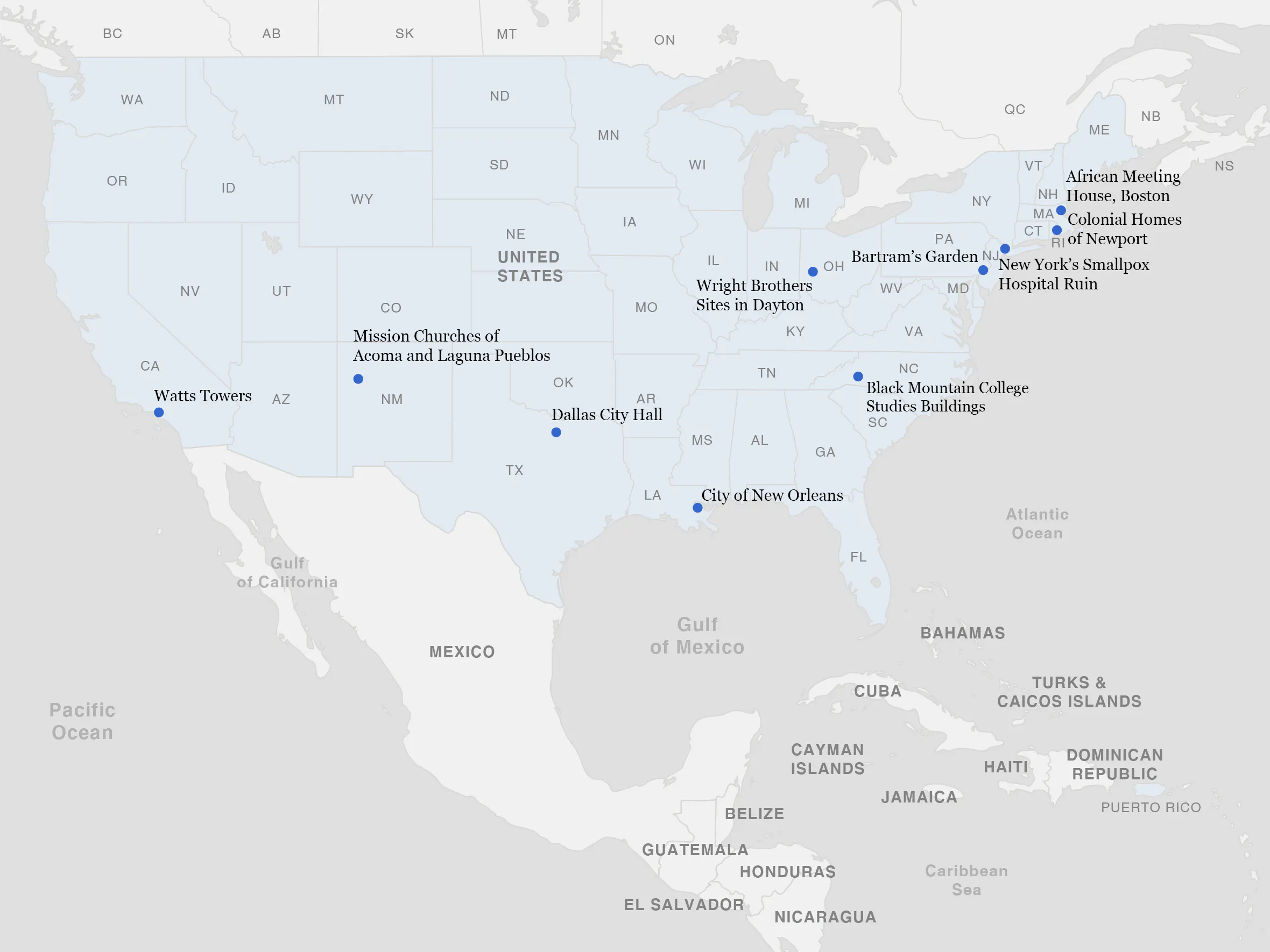
Located coast to coast, these sites reflect both the breadth of American history and the range of preservation challenges affecting sites across the nation.
Explore all ten sites below and read the full press release here.
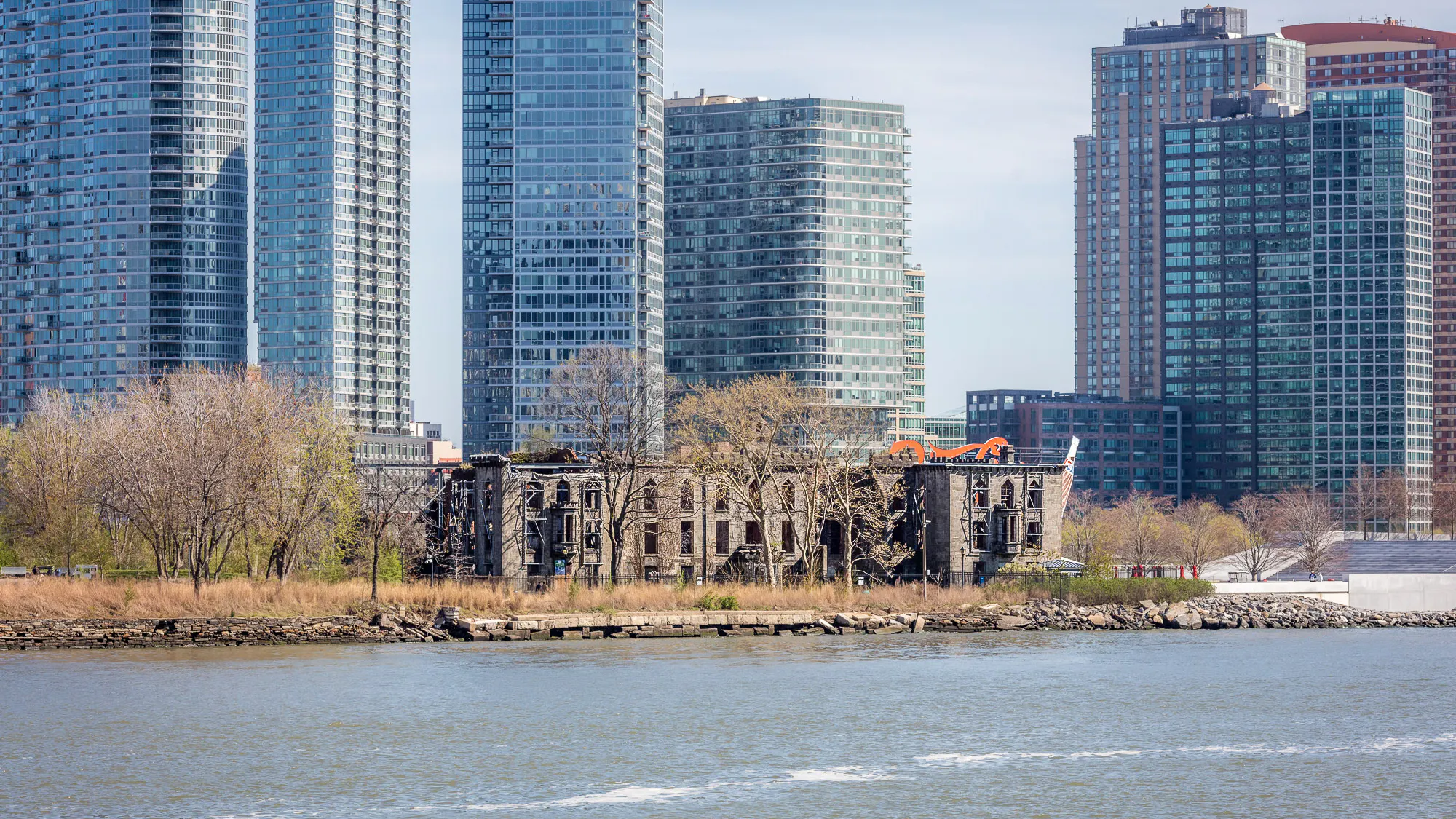
New York's Smallpox Hospital Ruin, Roosevelt Island, New York
The first U.S. facility built to treat epidemic disease, this nineteenth-century smallpox hospital, designed by architect James Renwick Jr., remains a rare landmark in the history of medicine. After decades of neglect, the structure faces structural instability and requires extensive stabilization to allow public access.
Constructed between 1854 and 1856 in the Gothic Revival style, the Smallpox Hospital was built on what is now Roosevelt Island to isolate contagious patients from dense urban populations. Its interior layout was optimized for ventilation and quarantine, while its granite walls, quarried on-site by prison labor, reflect both the ambitions and complexities of nineteenth-century public health infrastructure. But after decades of disuses, the structure fell into disrepair, leading to the collapse of the roof and interior floors.
Today, the ruin is a focal point of New York's East River and seen daily from the city's roadways and institutions such as the United Nations and the World Health Organization. In the aftermath of the COVID-19 pandemic, the site has gained renewed relevance as a place to reflect on epidemic disease, public health resilience, and the protection of vulnerable populations. Stabilization and adaptive reuse is an opportunity to preserve a civic landmark while providing a place of reflection on public health, memory, and urban life on Roosevelt Island’s waterfront.
"We're thrilled that this remarkable building has been recognized as irreplaceable to the American story. Once a place of suffering, it now stands as a powerful reminder that determined public health can make a disease obsolete. That message feels especially urgent today." — Stephen Martin, Founder, Friends of the Ruin


Bartram’s Garden, Philadelphia, Pennsylvania
The oldest surviving botanical garden in the United States, Bartram’s Garden near Philadelphia, PA helped shape American natural history and global plant exchange. Today, climate pressures, nearby development, and projected visitation growth threaten this irreplaceable cultural landscape.
The site is named for John Bartram (1699–1777) who founded his family farm here in 1728, including a 15-acre specimen garden. Many North American plants that are now familiar around the world were first studied and cultivated by the Bartram family, including oak-leaf hydrangea, magnolias, azaleas, rhododendrons, sugar maples, and more. Bartram and his son identified the Georgia-native "Franklin Tree", named for family friend Ben Franklin—which is now extinct in the wild but has survived thanks to the family’s early cultivation. Bartram’s Garden is also Philadelphia’s oldest excavated site, revealing evidence of Lenape settlements as early as 2,000 BCE.
Today, the historic garden is the centerpiece of a 50-acre public park on the Tidal Schuylkill River. The site welcomes more than 125,000 visitors annually, but construction of a new pedestrian bridge linking the site with Philadelphia's extensive trail network will drastically increase visitation after opening in 2026. Additionally, climate change and more than $2 billion in nearby development are placing new demands on the site. Investment in the historic site would safeguard a vital green space, environmental education hub, and riverfront access point while supporting restoration and community-centered programming as the Garden approaches its 300th anniversary in 2028.
“This recognition affirms the importance of Bartram’s Garden not only as America’s oldest surviving botanic garden, but as a living landscape where nature, history, and community continue to shape one another.” — Maitreyi Roy, Executive Director, Bartram’s Garden


Black Mountain College Studies Building, North Carolina
At the heart of Black Mountain College, this building represents one of the most influential experiments in American art and education. Severe deterioration, water infiltration, and climate-related damage now threaten its survival.
Founded in 1933 by Bauhaus emigres Josef and Anni Albers, the college's arts program continued a philosophy of immersive art education and embraced the college's existing credo of learning by doing. The modernist Studies Building, originally planned by Walter Gropius and Marcel Breuer before financial constraints led to A. Lawrence Kocher’s simplified design, stands as the academic and social heart of that legacy. Constructed between 1940 and 1942 by students, faculty, and staff using local materials and wartime ingenuity, the building reflects a distinctly American form of modernism rooted in pragmatism, experimental design and collaboration.
Black Mountain’s high contemporary reputation rests in part on the incredible list of notable faculty, students, and visitors who participated in the College’s activities, including Robert Rauschenberg, Buckminster Fuller, Jacob Lawrence, Merce Cunningham, John Cage, Jean Charlot, and countless others who would go on to shape the postwar American artistic and literary landscape. The school fostered an unusually inclusive educational environment that helped define the role of female artists in twentieth-century artistic practice and education. Graduates included Ruth Asawa, Dorothea Rockburne, Susan Weil, and Elaine de Koonig,
Preserving the Studies Building is especially relevant amid declining support for arts and humanities education, and restoration and adaptive reuse would allow it to serve once again as a center for artistic production, education, and public engagement.
“The Black Mountain College Studies Building represents the best of American ingenuity, creativity, and innovation. Being recognized as an Irreplaceable America site is truly an honor and reminds us that this building should be restored and maintained for future generations.” — Matthew Crawford, Chairman of the Board of the Black Mountain College Studies Building Foundation


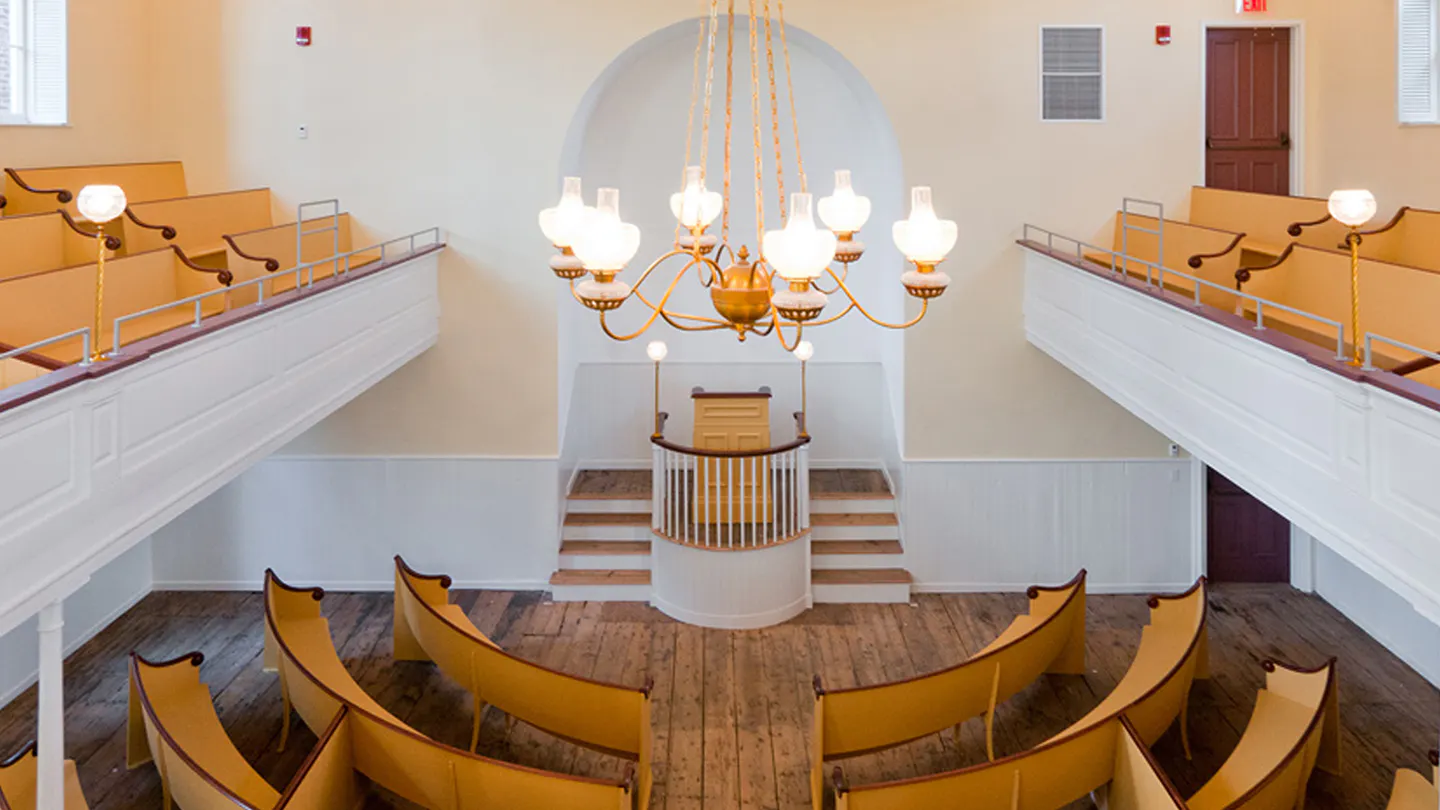
African Meeting House, Boston, Massachusetts
The oldest surviving Black church in the United States, the African Meeting House helped anchor the nation's early abolitionist movement. Now shifting federal policies for site interpretation threaten the depth and visibility of the Black history that makes this landmark indispensable.
Built in 1806 by free Black artisans for the First African Baptist Church and funded entirely by Boston’s Black community, the African Meeting House was an act of civic self-determination as much as architecture. Following the Colonial meeting house tradition, it served well beyond worship, hosting concerts, lectures, and pivotal gatherings that shaped nineteenth-century Black civic life.
The building stood at the center of the abolitionist movement and provided assemblies for Frederick Douglass and Maria Stewart. It is where William Lloyd Garrison founded the New England Anti-Slavery Society in 1832 and where the Massachusetts General Colored Association, among the country’s first Black abolitionist organizations, also took shape. The Meeting house was also the source of recruitment for Massachusetts's 54th Regiment of the U.S. Colored Troops.
Today, the African Meeting House is the only publicly accessible remnant of Boston's Colonial Black community and fills a vital gap in the overlooked story of Black life in New England. The site requires renewed support for its building restoration and its interpretative programs to promote civic education and more inclusive storytelling.
“This designation highlights the importance of our mission and the rich history and contributions of Black Bostonians. As caretakers of this historic site, we remain committed to preserving it for future generations and invite the public to visit, engage with our programs, and support this essential work.” — Dr. Noelle Trent, President & CEO of the Museum of African American History | Boston & Nantucket


City of New Orleans, Louisiana
Shaped by Indigenous, African, European, and Caribbean influences, the historic neighborhoods of New Orleans form one of America’s most distinctive cultural landscapes. Flooding, aging infrastructure, and proposals for mass relocation now threaten that heritage.
New Orleans is internationally recognized for cultural heritage expressed through architecture, music, foodways, and neighborhood life. Historic neighborhoods including the French Quarter, Tremé, Marigny, Central City, and the Seventh Ward form a cohesive urban landscape defined by vernacular building types adapted to climate, density, and community use over centuries.
The city faces escalating threats from flooding, aging infrastructure, high insurance premiums, and population displacement, making it one of the most vulnerable historic cities in the United States. Recent scientific studies of coastal erosion and proposals for an inland retreat from the city have brought historic preservation to the forefront of community concerns. Continued preservation and investment would support residents through workforce development, traditional building trades, and citywide resilience strategies while sustaining the cultural and economic vitality that makes New Orleans irreplaceable.
“New Orleans’ cultural identity is rooted in place. By investing in communities, historic buildings, infrastructure, and traditional skills, the city can help residents remain, shape their own futures, and sustain the traditions that make New Orleans irreplaceable.” — Heather Veneziano, Director of Historic Preservation, Tulane University


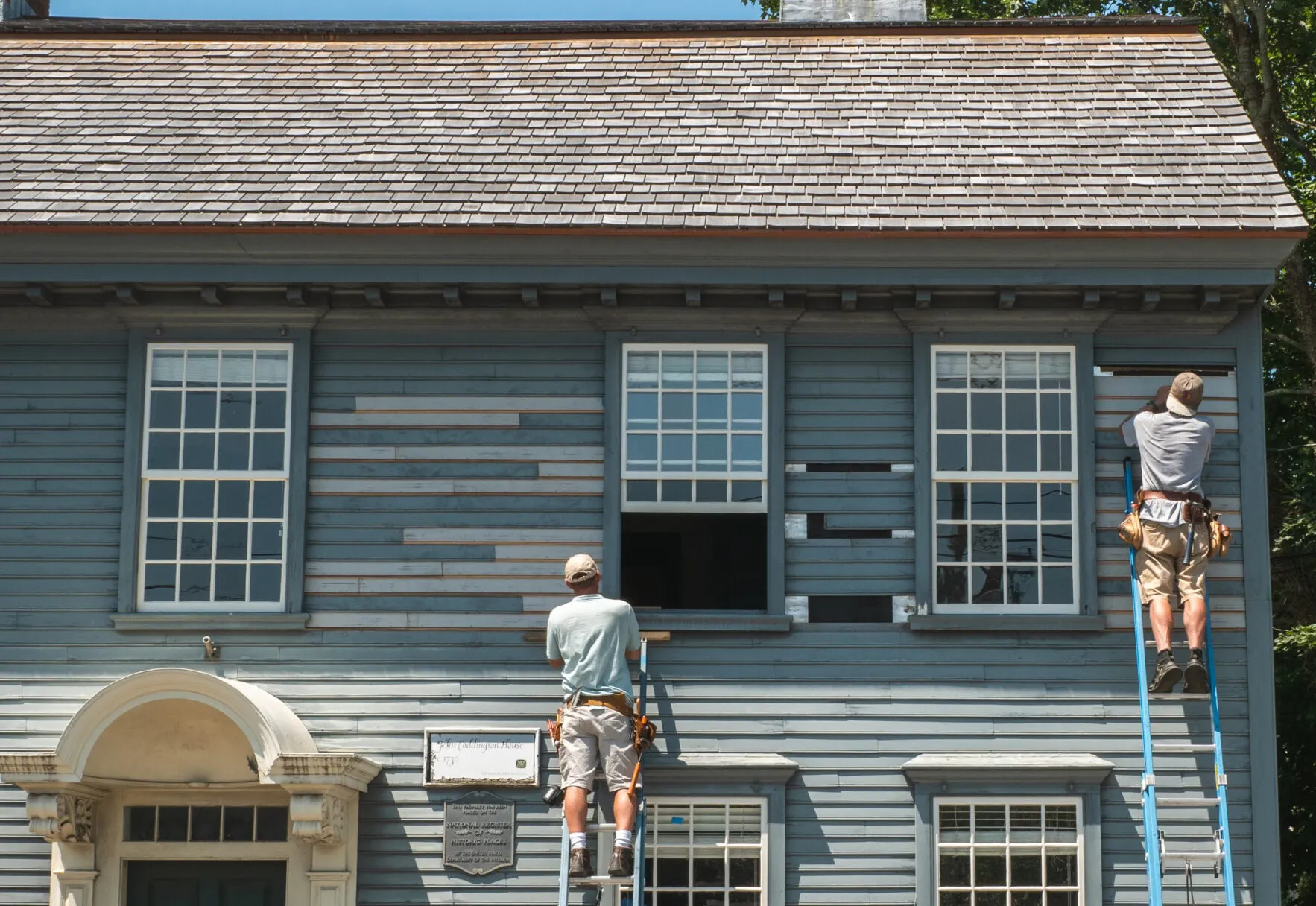
Colonial Homes of Newport, Rhode Island
Newport’s extraordinary concentration of Colonial-era architecture is one of the largest in the nation, and it survives as a living neighborhood, not a museum. Now rising seas and accelerating climate threats put nearly half of this historic fabric at risk, demanding urgent action to protect it.
Leading up to the American Revolution, Newport was a vital commercial and cultural center. Due to its prominent and outsized role in the trans-Atlantic trade system Newport became enormously successful. The construction of buildings dating to this period reflects the lived experiences of Newporters—from wealthy merchants to tradespeople.
The Newport Restoration Foundation stewards 70 historic residences through an innovative Tenant Steward model that keeps historic properties actively inhabited and integrated into daily community life. Its Historic Trades Initiative maintains traditional craft skills, while its Telling Stories Initiative expands interpretation to include histories too often left out of the traditional narrative.
Nearly half of the Foundation’s historic buildings face increasing risk from sea-level rise and intensifying storms, making climate resilience an urgent priority. Continued investment would sustain Newport’s cultural identity while advancing scalable models that link preservation with housing, workforce training, policy development, and urban heritage resilience.
“Our work is to continue to invest in the livability of these irreplaceable sites, advance resiliency in the wake of climate change, and ensure that these homes with long, significant histories have a sustainable future.” — Hilary Fagan, Executive Director of the Newport Restoration Foundation



Dallas City Hall, Texas
Designed by Asian-American architect I. M. Pei, Dallas City Hall is one of the most significant works of civic architecture and modernism in America. Now pressure from private developers and years of deferred maintenance create an immediate risk of abandonment or demolition.
Dallas City Hall is one of the most significant examples of brutalist civic architecture in the United States, designed by Pei as part of 'Goals for Dallas', a sweeping civic reimagining undertaken after President Kennedy’s 1963 assassination. Completed in 1978, its dramatic seven-story form, sloping facade, and monumental civic plaza have made it both an architectural landmark and a central space for public life. Although the building consists largely of cast-in-place concrete, it is remarkably transparent, with massive expanses of glass and a central atrium that opens up city agency offices to both natural light public view.
The building faces risk from redevelopment pressure and inflated rehabilitation estimates that do not reflect the true economics of maintenance and adaptive reuse. Preserving and renewing Dallas City Hall would protect an important civic landmark, maintain a vital public space downtown, and demonstrate how conserving existing buildings supports climate-responsible development and urban resilience.
“Dallas City Hall's inclusion on the World Monuments Fund's Irreplaceable America list affirms its place among the nation's most significant architectural landmarks while shining a spotlight on the pressing threats to its future. Designed by I.M. Pei, the iconic Brutalist building has served as the heart and symbol of Dallas government and civic life for nearly fifty years, and as a critical anchor for the southern sector of downtown.” — Bob Meckfessel, Board Member, Docomomo US North Texas Chapter


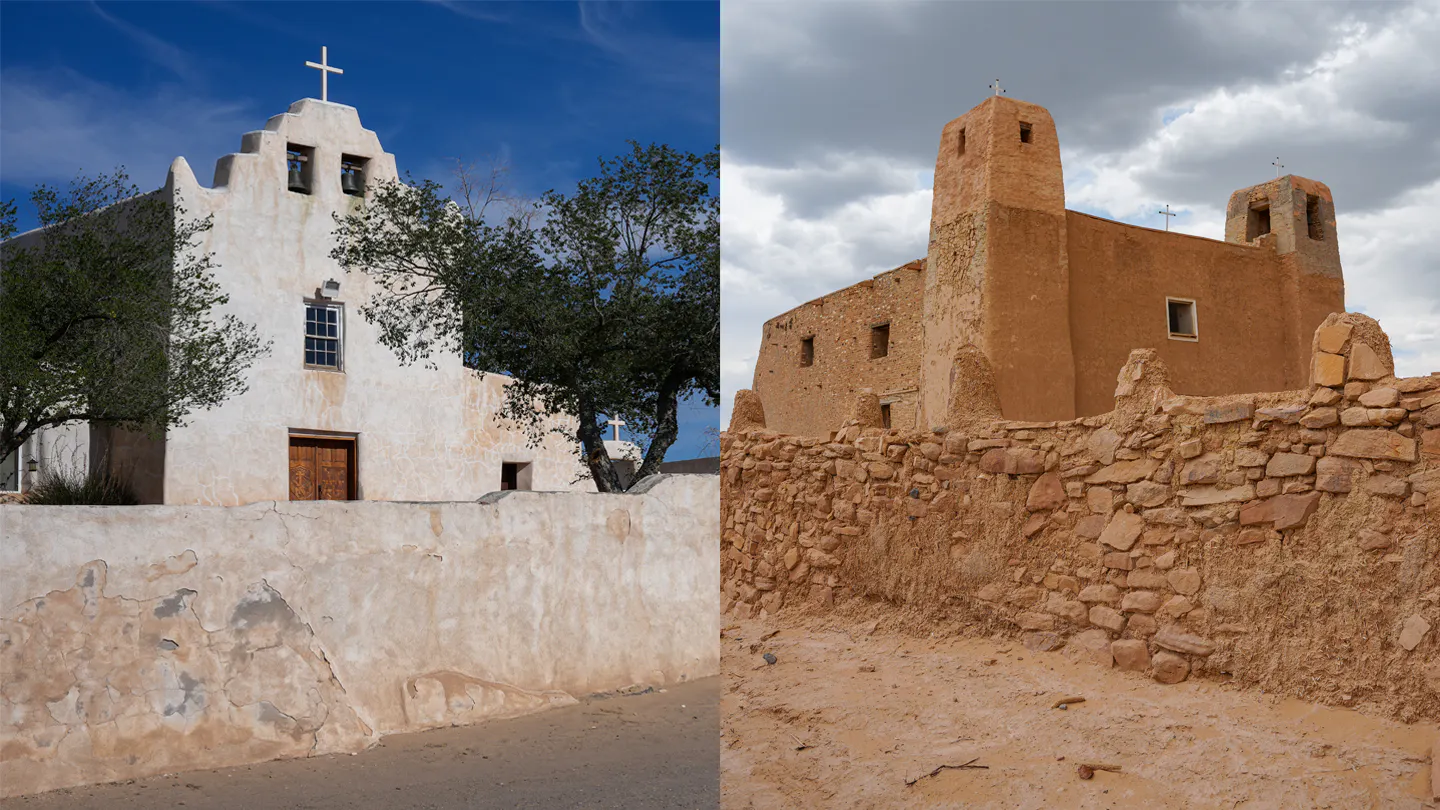
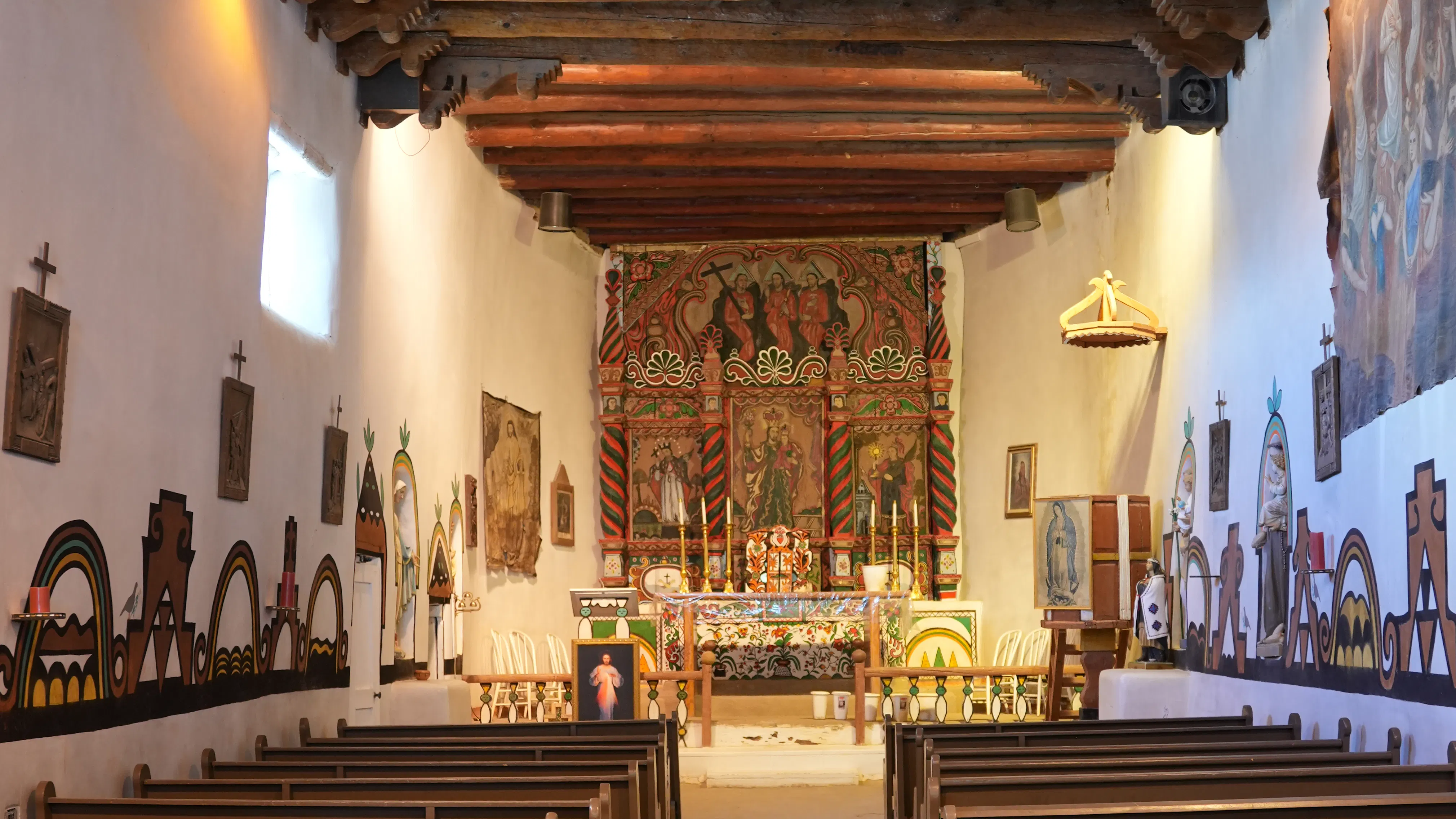
Mission Churches of Acoma and Laguna Pueblos, New Mexico
Built by Pueblo communities in the aftermath of Spanish conquest, these Pueblo mission churches remain vital centers of spiritual and cultural life. Funding shortfalls, deteriorated masonry walls, and the waning of collective restoration traditions now put them at risk.
Built in the seventeenth century after Spanish conquest and Pueblo resettlement, San Esteban del Rey and San José de Laguna are among the finest surviving examples of Pueblo mission architecture, combining Franciscan ecclesiastical design with centuries of Pueblo building traditions. San Esteban del Rey maintains the only surviving cloister among New Mexico’s mission churches. The altar screen (reredos) of San Jose de Laguna dates to c. 1800 and is considered one of the finest surviving examples of early New Mexican devotional art. Located a short distance apart, the two sites embody the complex history of colonization, evangelization, and Indigenous resilience in the American Southwest.
At Acoma, San Esteban del Rey was constructed by Spanish Franciscan missionaries following the devastating Acoma Massacre of 1599. Laguna Pueblo was founded later in 1699, and the community initiated the construction of San José de Laguna shortly thereafter. Together they stand as testaments to Pueblo endurance and cultural continuity.
The sites face urgent challenges from funding shortfalls, prior incompatible repairs, advanced masonry deterioration, and the loss of restoration craft traditions for regular maintenance. Restoration would reinforce the significance of these sites as living centers of spiritual and community life, support responsible heritage tourism, and help ensure that Native church-based traditions are carried forward to future generations.
“‘Irreplaceable’ is an apt adjective for two seventeenth-century churches built of adobe and stone in extraordinary locations. Survival of the churches attests to the commitment of the pueblos and their partners, and our nomination of Acoma and Laguna to World Monuments Fund’s initiative is in the spirit of sustaining these preservation traditions.” — Frank Graziano, Director, Nuevo México Profundo


Watts Towers, Los Angeles, California
Over the course of three decades, Italian immigrant Sabato “Simon” Rodia built the soaring Watts Towers by hand, producing one of the most singular works of folk art in American history. Now environmental stress, seismic risk, increased tourism, and limited resources threaten their stability.
In 1921, after purchasing a triangular lot in the Watts neighborhood of South Los Angeles, Rodia built an assortment of 17 structures including towers, a ship, fountains, and assorted garden art, and adorned them by inlaying bits of tiles, glass, pottery, collected in part by neighboring children. The tallest of the towers measures 99.5 feet, just below the city building height limit at the time.
After Rodia's departure, the towers were ordered for demolition by the city. Opposition from the community in 1959 resulted in the Committee for Simon Rodia's Towers in Watts, which challenged the city resulting in an engineering test that confirmed structurally stability. The surrounding neighborhood faced more challenges during the 1965 Watts Riots, but the Watts Towers became an enduring symbol of resilience and community identity.
Today, anchored by the Watts Towers Arts Center, Charles Mingus Youth Arts Center, and Garden Studio, the site welcomes approximately 40,000 annual visitors. It serves as a community hub for arts education, youth programming, and public festivals. Continued investment would address seismic, climate, and material threats while expanding access to creative programming, reinforcing local pride, and supporting cultural tourism and economic opportunity in South Los Angeles.
“The conservation and preservation of the Watts Towers reinforces a message to the community of investment, value, and stewardship, while also supporting increased cultural tourism and generating economic opportunities that benefit both the immediate Watts community and the wider region.” — Daniel Tarica, General Manager of the City of Los Angeles Department of Cultural Affairs


Wright Brothers Sites in Dayton, Ohio
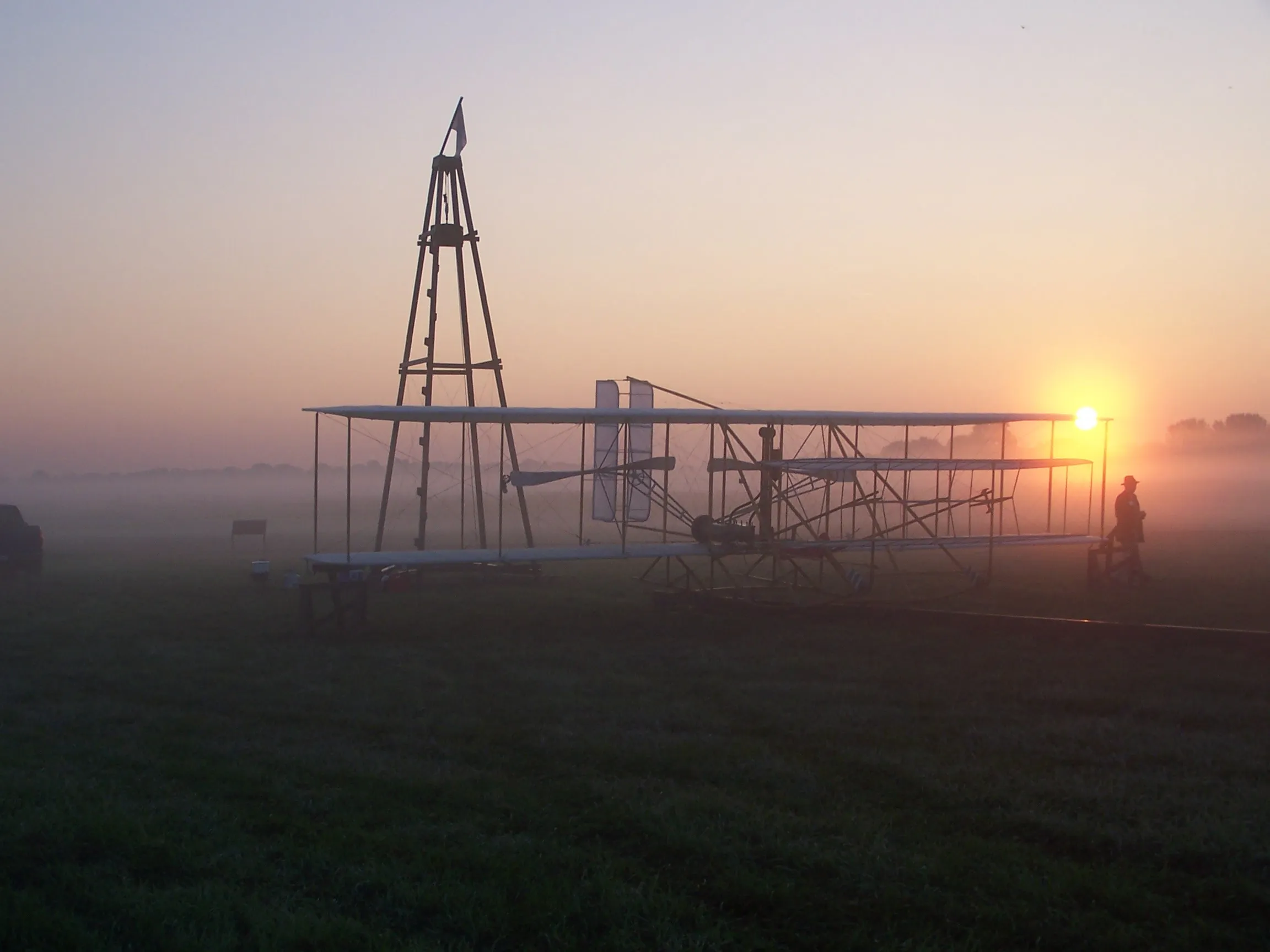
In the workshops and fields of Dayton, Wilbur and Orville Wright developed the technology that made contemporary flight possible. Now years of reduced staffing and stalled capital projects threaten their long-term preservation and public interpretation.
The Dayton Aviation Sites collectively tell the story of the Wright brothers’ development of powered flight and the local experimentation that transformed global transportation and human mobility. Together, Huffman Prairie Flying Field, the Wright Cycle Company, Wright & Wright Printing Company, their residence Hawthorn Hill, and museum exhibits represent one of the most pivotal chapters in American scientific history.
The sites are part of a U.S. UNESCO World Heritage serial nomination, now on the tentative list, but reduced National Park Service staffing, delayed capital projects, and stalled cultural resource studies threaten their long-term stewardship and interpretation. Strengthening care would reinforce Dayton’s identity as the birthplace of aviation while supporting education, tourism, and community pride.
“The Wright Brothers’ achievements in Dayton, Ohio made flying a reality, which changed the course of human history. The Dayton Aviation Sites demonstrate an outstanding universal value as they preserve the historical evidence of the Wright Brothers’ work.” — Mackensie Wittmer, Executive Director of the National Aviation Heritage Area


Special Designation: National Park System
The United States National Park System protects places of exceptional natural and cultural significance across all 50 states and U.S. territories. Today, chronic underfunding, staffing reductions, deferred maintenance, climate risks, and challenges to interpretation threaten both historic resources and public access.
Established in 1916, the National Park Service was created to administer the national parks and monuments while conserving their natural and historic resources for future generations. Since then, it has become a globally influential model of public stewardship. The U.S. General Authorities Act of 1970 affirmed that these sites are “cumulative expressions of a single national heritage,” reflecting the system’s evolution from iconic natural landscapes to a broader range of places connected to Indigenous heritage, civil rights movements, scientific discovery, and the full breadth of American life. Today, these places play a central role in civic and community life, providing spaces for recreation, education, reflection, and research, welcoming more than 331 million visits annually. The parks also generate over $55 billion in economic output, and the system is a cornerstone of dependent regional communities nationwide.
Sustaining the National Park System depends on partnerships with Indigenous nations, local communities, nonprofit historic and scientific organizations, and public agencies. Renewed public attention and continued investment would strengthen its ability to protect irreplaceable natural and cultural resources, support accurate and comprehensive interpretation, and preserve shared spaces that help shape national identity, understanding, and civic life.
“National parks are the great cathedrals of the American story—places where geology, history, culture, and democracy meet beneath an open sky. They remind us that our nation is not defined solely by what we build, but by what we choose to protect.
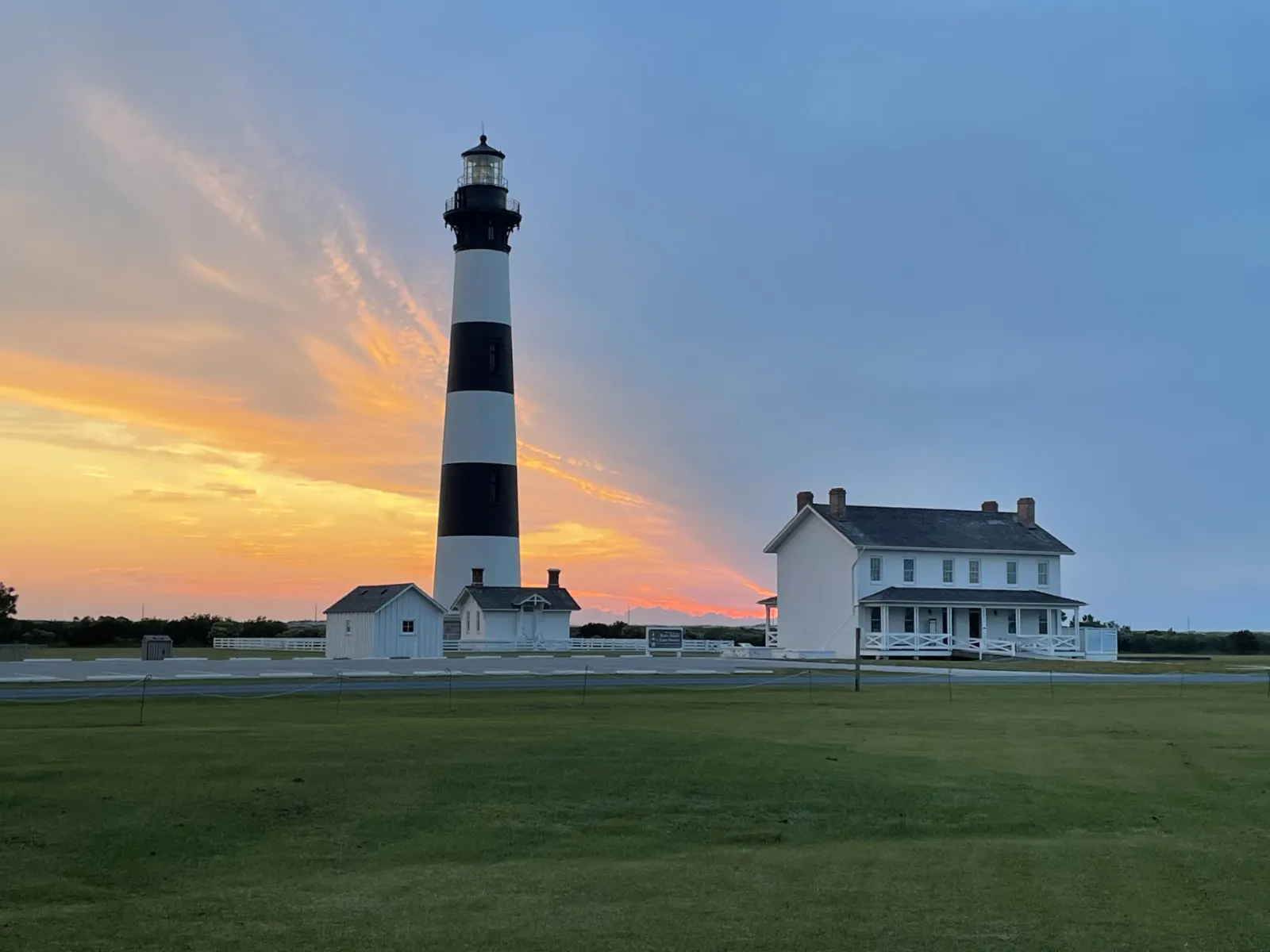
From the sacred landscapes of Chaco Canyon, where ancient civilizations still speak across the centuries, to the monumental heart of Washington, D.C., where our democratic ideals are etched in stone; from the geysers and wild horizons of Yellowstone to the windswept shores of Cape Hatteras and the Outer Banks where land and sea are locked in an eternal dance—these places belong not to any one generation, but to all generations.
They are America's shared inheritance, and our enduring obligation is to leave them as inspiring, as awe-inspiring, and as accessible as we found them.” — Cheryl Schreier, Chair of the Coalition to Protect America’s National Parks and former Superintendent of Mount Rushmore National Memorial


What Selected Sites Receive:
- National and local media coverage and publicity aligned with the 250th anniversary of the United States Declaration of Independence
- Spotlights in WMF’s digital and printed materials
- One year of strategic consultation with WMF heritage experts
- Opportunities to develop preservation projects in partnership with WMF

Selection Process
Following a nationwide open call, World Monuments Fund received 75 nominations for the Irreplaceable America program. Each submission underwent a structured internal review before being evaluated by an independent panel of experts. Nominations were assessed according to their cultural significance, urgency of conservation need, and potential to deliver meaningful benefit to the communities connected to each site.
The expert panel included Charles A. Birnbaum, President and CEO of The Cultural Landscape Foundation; Charles L. Davis II, Associate Professor of Architectural History and Criticism and Program Director of the Architecture PhD program at the University of Texas at Austin; Paul Goldberger, author and architecture critic; Anthea M. Hartig, Elizabeth MacMillan Director of the National Museum of American History; Frank Sanchis, former Regional Director for North America at World Monuments Fund; and Francisco Uviña‑Contreras, Professor of Architecture and Planning and Director of the historic preservation and regionalism graduate certificate program at the University of New Mexico.
