Cerro Sechín

One of the Oldest Civilizations in Peru
Cerro Sechín is part of an archipelago of archaeological complexes in the Casma Valley that includes Sechín Alto, Sechín Bajo, Manchan, Chankillo, and others located near the Pan-American Highway, and is one of the oldest coastal Andean civilizations in Peru. Situated 230 miles (370 kilometers) north of Lima near the Sechín River in the Casma Valley, the ceremonial center was discovered in 1937 by Julio C. Tello, the father of Peruvian archaeology.
Uncovering Ancient Structures
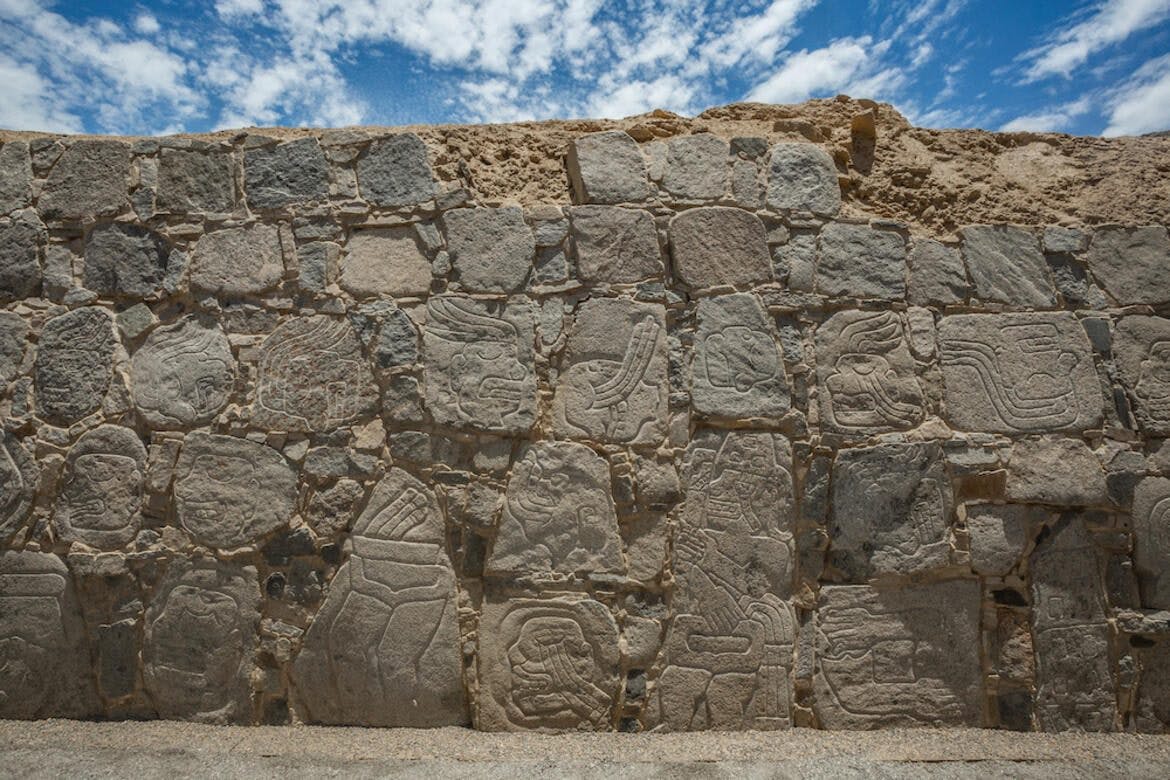
Early excavations at the ceremonial site uncovered 98 carved stone slabs along the outer wall of one building. The carvings date to 1770–1510 BCE and depict combat rituals as well as human sacrifice. Further studies determined that the site is made up of six structures that were part of a later complex that surrounded earlier earthen structures.
Polychrome wall paintings dated between 2290 and 2020 BCE have been found on the surface of older earthen structures and depict stylized figures of felines, an animal revered in Peru’s Formative period (2000–200 BCE). In total, over 300 carved stone slabs have been uncovered at Cerro Sechín, representing one of the earliest ornamented sites in the Americas. Some of its iconography is used in the decoration of the main public buildings and plazas in the city of Casma.

Renovation of the Regional Museum of Casma “Max Uhle”
Decades of archaeological explorations at Cerro Sechín culminated with the opening of a site museum in 1984. In 2018, thanks to funds provided by the U.S. Embassy in Peru, World Monuments Fund (WMF) and the Ministry of Culture collaborated to renovate the Regional Museum of Casma “Max Uhle,” whose facilities and displays required updates after more than 30 years of use.
Renovations to the museum included new lighting systems, display cases, 3D models, and exhibition panels, and freshly painted walls. In addition, new exhibition content was created to feature information about Cerro Sechín, Chankillo, and other relevant archaeological sites in the Casma region. The improved facilities offer visitors a better cultural, educational, and touristic experience, and help generate public awareness for conservation needs at these sites.


A first assessment
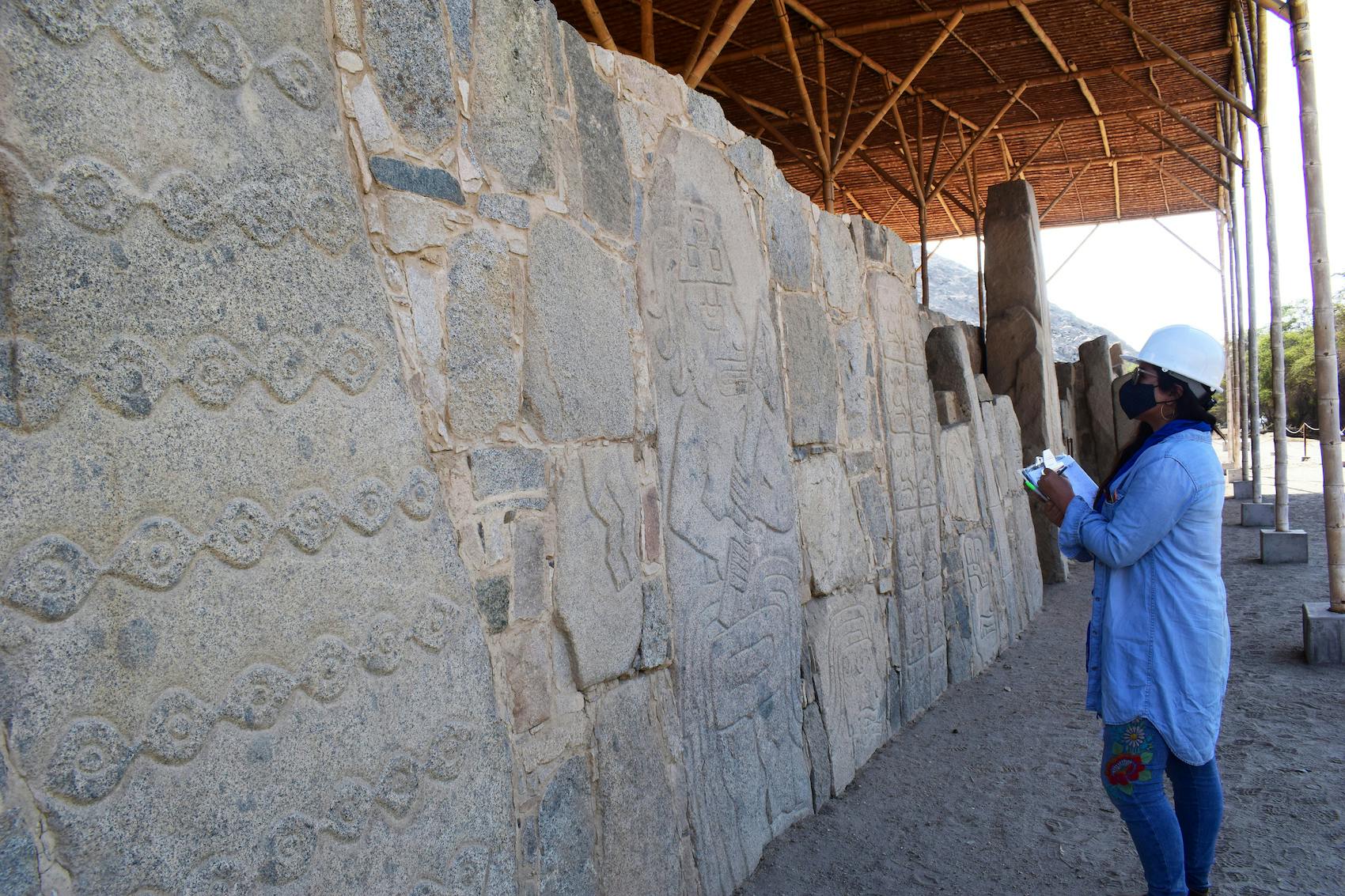
Despite receiving over 17,000 visitors each year, the stone slabs at the archaeological site have not been treated since their excavation and restoration for public appreciation in the 1980s. As a result, the unique monoliths suffer from cracking and erosion due to exposure to the elements and seismic activity. Cerro Sechín was included in the 2014 World Monuments Watch to encourage action for the conservation and management of the site.
In 2020, WMF supported a condition assessment of the stone slabs. As expected, the study concluded that the slabs, especially on the east and west sides of the site, faced irreversible losses without immediate intervention.

Conservation of Cerro Sechín's Carved Monoliths
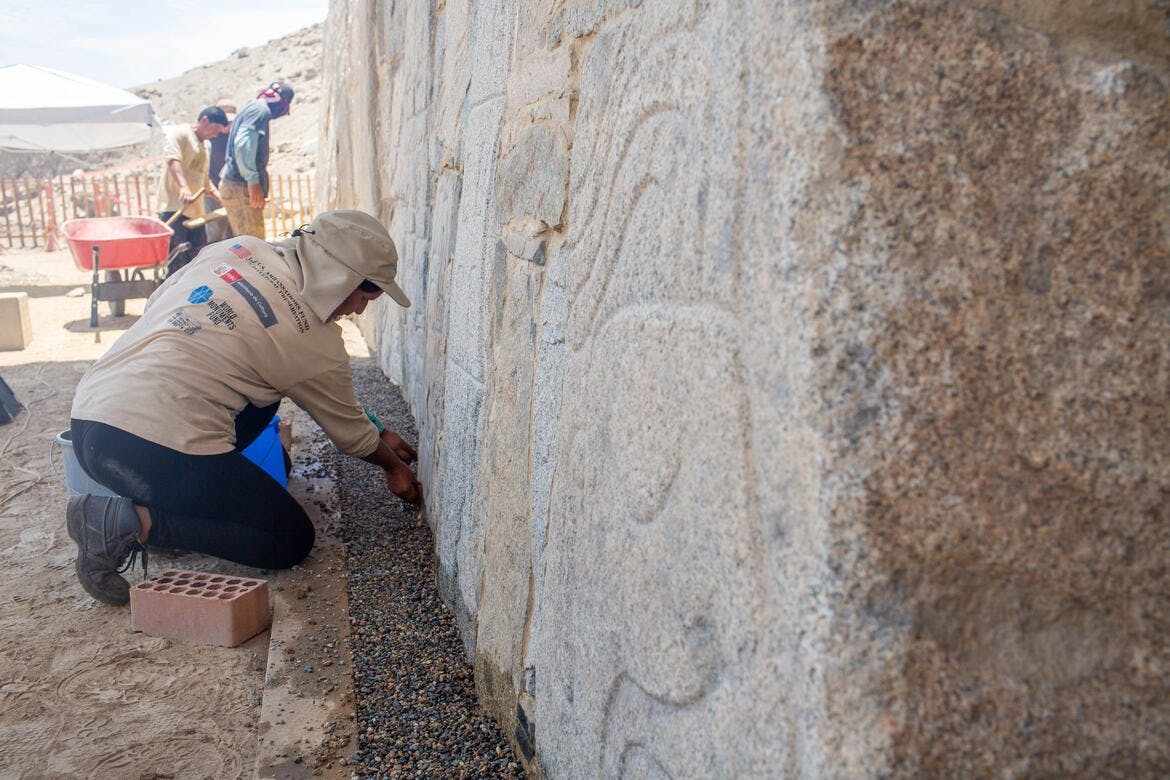
In September 2021, the U.S. Embassy in Peru announced that Cerro Sechín had been awarded a grant from the Ambassadors Fund for Cultural Preservation (AFCP), which allowed for conservation interventions—such as the cleaning, stabilization, and consolidation of the stone slabs.
The project built the capacity of community members and local residents in monitoring and maintenance techniques, as well as introduced workshops in pottery and stone carving aimed at engaging nearby communities in the long-term preservation of the site. The project has also produced a three-dimensional model of the site as a record of the conservation procedures.


Events


Palm Springs, California
Rapa Nui, Chile
Strawberry Hill House
268 Waldegrave Rd
Twickenham TW1 4ST, United Kingdom
News & Updates


Resources
Proyectos de Conservación del World Monuments Fund en el Perú
Protegiendo nuestra madera: Una guía de recursos e incentivos para la conservación de la arquitectura histórica de madera en Puerto Rico
WMF Britain: Window onto the World Spring 2024
2024 World Monuments magazine
2024 World Monuments Fund/Knoll Modernism Prize
WMF India 2022 - 2023 Annual Report
Related Projects
Abydos
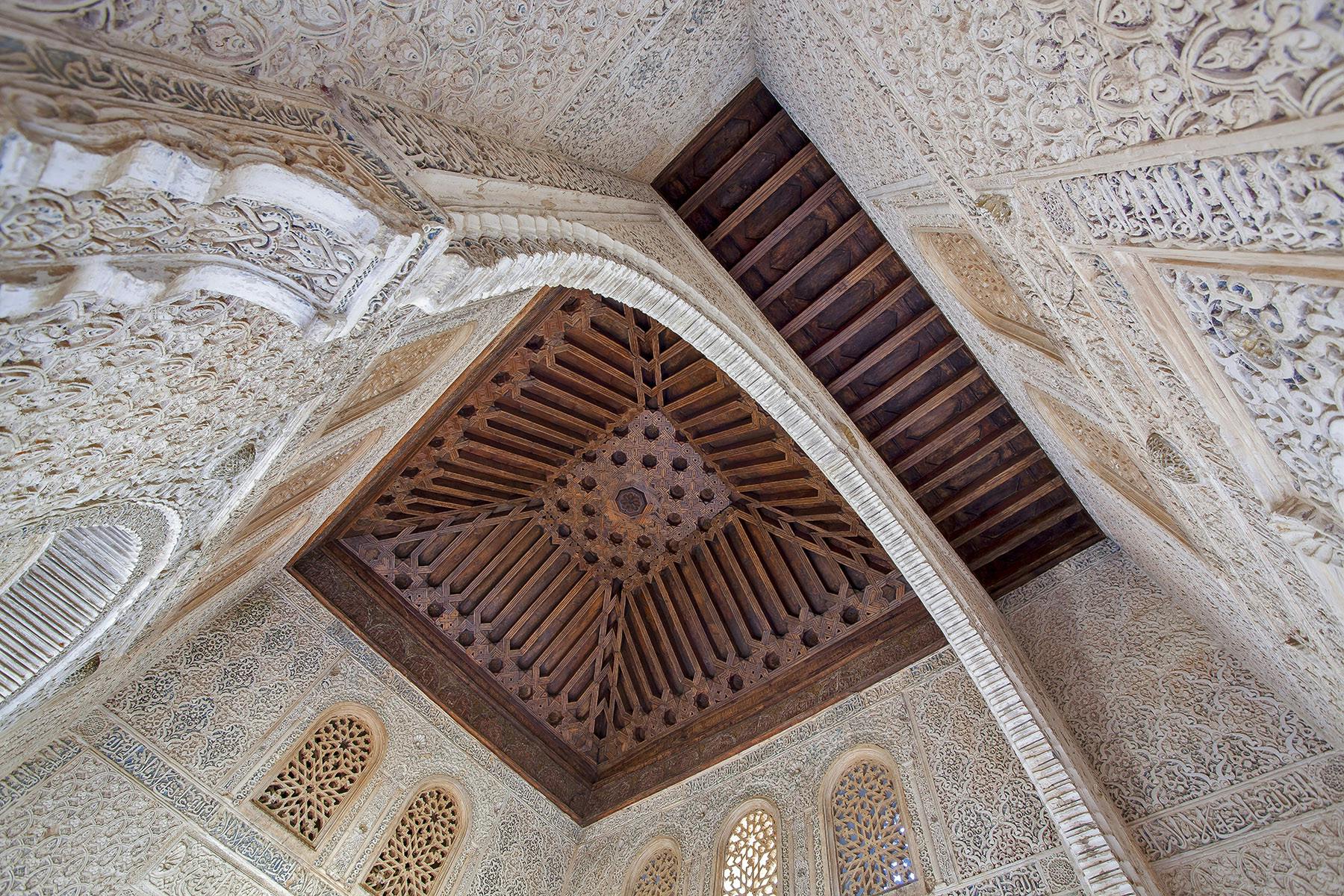
Alhambra
The Alhambra was begun in the mid-thirteenth century to serve as the palace and fortress complex of the Moorish Nasrid dynasty.

Alcântara and Rocha do Conde d'Óbidos Maritime Stations (Almada Negreiros Murals)
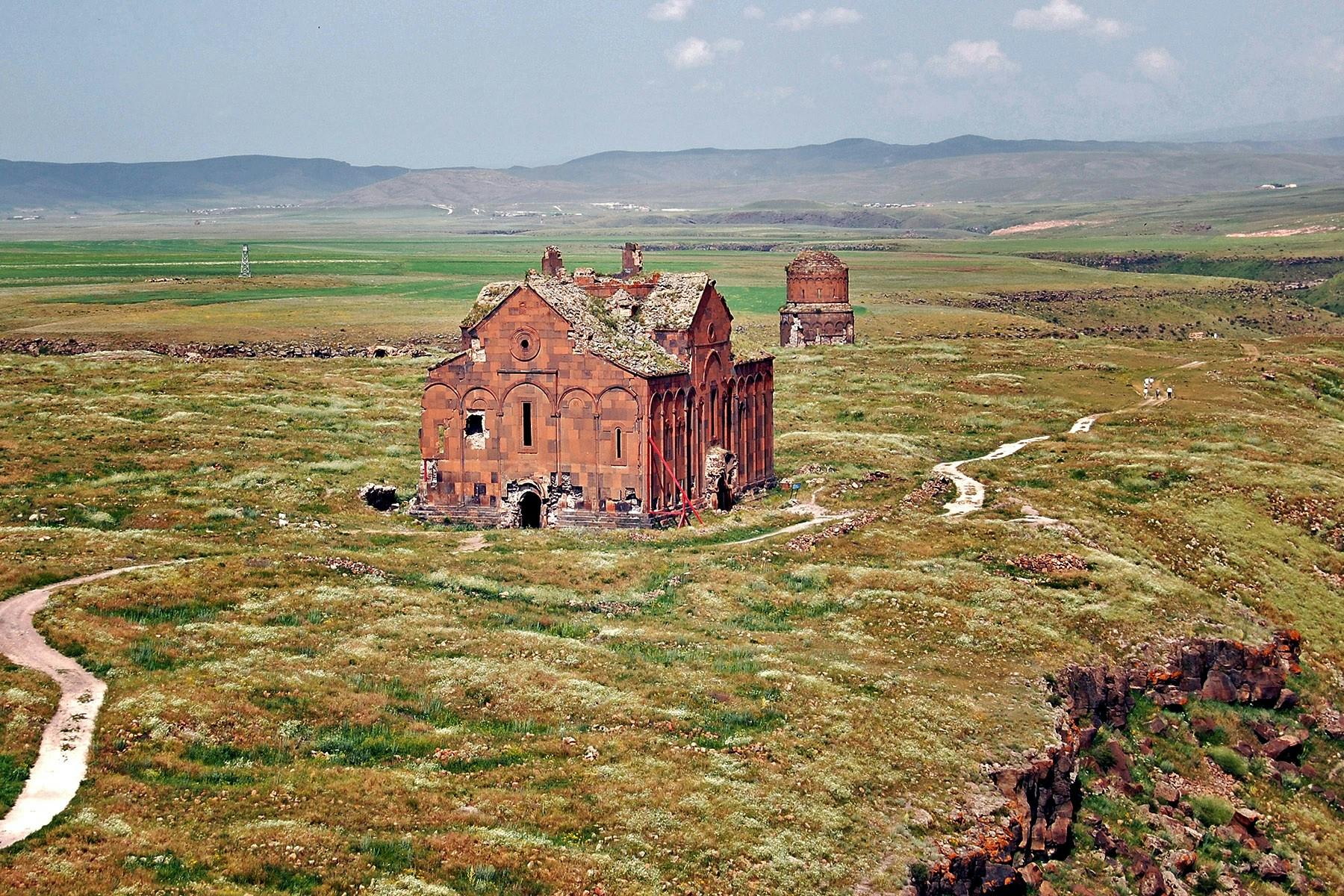
Ani Cathedral
Located in modern-day eastern Türkiye, Ani Cathedral is one of the most significant architectural structures remaining from the prosperous Armenian Bagratid period in the tenth and eleventh centuries.
Our Supporters
World Monuments Fund’s work at Cerro Sechín has been made possible, in part, by the U.S. Ambassadors Fund for Cultural Preservation (AFCP), the U.S. Embassy Lima, Tianaderrah Foundation/Nellie and Robert Gipson, and Nor Oil SAC.